When it comes time for your child to learn how to read, it is vital that parents take an active role in this important development stage. Whether it is your first child or your fourth, every kid learns in a different way. We have gathered some of the most helpful, yet basic tips that can help any parent teach their child to read.

-
Practicing Regularly
Setting time aside each day will help improve your child’s reading level significantly. Remember that reading a little bit at a time, yet reading often, is one of the best ways children can learn how to read. The attention spans are short so keep them engaged for short periods of time at least twice per day, especially during the week. Sticking to a regular reading schedule will be easy for your child to follow as well.
-
Having Variety
Keep things interesting by choosing different genres and changing up the books your child has access to on a regular basis. This will prevent boredom as well as expose them to all sorts of reading material.
-
Talking About the Stories
When you talk about the stories and/or ask questions while you are reading will help your child think critically and analytically. Diving deeper into a story and asking why a character is doing a certain thing will further engage your child. Doing this will spark creativity and logical thinking patterns.
-
Maintaining a Positive Attitude
Not every child is passionate about reading but when the parents maintain a positive and encouraging outlook, your child will be more inclined to enjoy the reading experience. There will be times when your child feels frustrated or wants to give up. When this happens, give positive feedback and encouraging words. This will motivate your child to overcome the challenge they are facing and they will also associate reading with a positive learning experience.
-
Choosing Books Of Right Level
Ensure you are choosing books that are at the correct difficulty level for your child. This will help make sure that there are more successful reading experiences and the challenges will not be too great.
-
Create a Game
Keep things fun and interesting by creating a game to play while your child is reading. If there are pictures, have them spot a specific item or color on each page. Or you could have them count the number of ‘S’ words throughout the story.
-
Correct Young Readers Gently
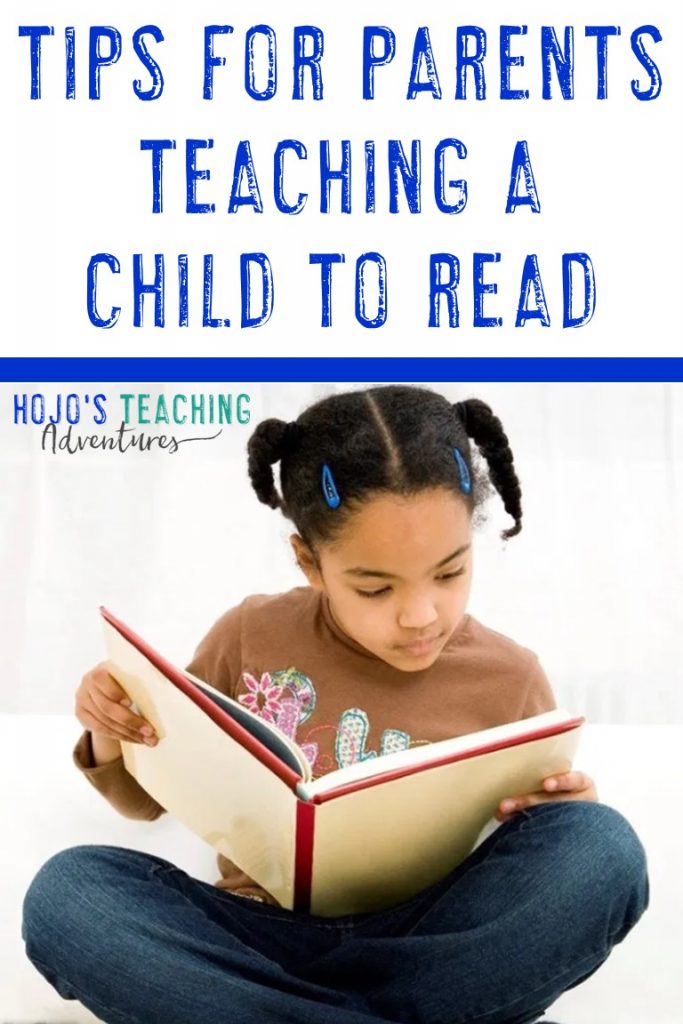

Mistakes are bound to happen when a child is learning how to read. When you are voicing a correction, make sure you do so with a gentle tone and choose your words wisely. Children are delicate and should be guided in a gentle manner so they do not associate reading as an embarrassing or dreaded experience.
-
Help Readers Memorize Sight Words
Make a list of the ‘Sight Words’ for your child to memorize. Sight words are words that are most often seen when your child is reading. If your child can memorize these specific words, they will have fun finding these words on the pages and feel a sense of accomplishment by already knowing some of the words in front of them.
-
Instilling Importance of Sounding it Out
As your child advances, so do the words they will be reading. Teach your child to sound out a word they come across that they are not familiar with. This will teach independence as well as the importance of trial and error. When your child sounds out a word and is wrong they will try again to find the exact way the word is supposed to sound. When they read the word correctly on their own by sounding it out, they will be more likely to remember that word the next time they come across it.
-
Reading Out Loud
Reading to your child is important if they are too young to read for themselves. However, when the time comes that your child is able to read on their own, have them read out loud to you. This will give them confidence as well as enable them to find their cadence when they are reading.
The article was contributed by Sunny Dawn, a freelance writer at http://www.freelancehouse.co.uk/


Leave a Reply